Gadgets and Gear That Help Creators Tell Better Stories.
05 March, 2025· Article by David Brown


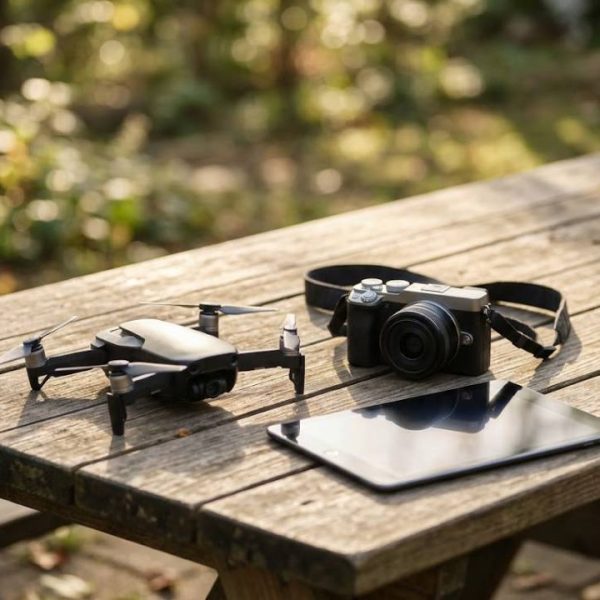
Great stories need more than great ideas. They need tools that capture sound, light and words clearly, and they need ways to reach people who live far from the creator. Today a small bag of equipment and a few smart habits can do what once required a full studio.
This article looks at the gadgets and gear that help creators tell better stories, and at the steps that help those stories travel to new audiences.
Start With the Story, Not the Gear
Expensive equipment cannot fix a weak idea. Before you buy anything, write a one sentence summary of the story and the person you want to reach.
Once the goal is clear, gear choices become simple. The best tool is the one that serves the story in front of you.
Good Sound Beats Good Pictures
Viewers forgive slightly soft images, but they leave quickly when audio is poor. A clip-on or small shotgun microphone improves recordings immediately.
Record in a quiet room, keep the microphone close to the speaker and wear headphones to check levels as you go.
Use the Camera You Already Own
Modern phones record impressive video and photos. Learn their manual settings, clean the lens and shoot near a window for soft natural light.
A small tripod or a simple stand removes shake and gives your work a steady, professional feel.
Think About Light
Light shapes mood. Soft light from the side adds depth, while harsh overhead light flattens faces and creates shadows.
An inexpensive reflector or a white board placed opposite a window fills dark areas without any electricity.
Try Drones and Action Cameras Carefully
Small drones and action cameras open new angles, from sweeping views to close-up motion. They also bring rules about airspace, privacy and safety.
Check local regulations before every flight and respect people and wildlife around you.
Edit With Simple, Reliable Software
Basic editing tools handle most projects, from trimming clips to adding captions. Learn a few shortcuts rather than chasing every advanced feature.
Keep your files organised from the start. A clear folder structure saves hours during editing.
Explore AI Helpers Wisely
Writing assistants, image tools and audio cleaners can speed up routine tasks. They are best at drafts, ideas and clean-up, and they still need a human eye for accuracy and voice.
A helpful overview of ai content creation tools explains what these systems do well and where creators should stay in control.
Learn From Professional Communities
Computing and design societies share research and good practice that creators can borrow. The Association for Computing Machinery publishes accessible material on responsible technology use.
Following such sources helps you spot trends early and avoid common mistakes.
Think Beyond Your Home Language
A story told well deserves a wider audience. Speakers of Persian live in Iran, Afghanistan, Tajikistan and diaspora communities worldwide, and many of them look for quality digital content.
A careful english to farsi translation of your captions, scripts and website lets these viewers connect with your work, including right-to-left text and local phrasing.
The kit described above matters far less than what the creator does with it, which is the point the article keeps returning to. The same is true of sales technology: a good tool amplifies a clear message and makes a muddled one travel faster. Teams investing in b2b lead generation for a new market often find the constraint is the positioning rather than the platform, and no amount of automation fixes that.
Add Captions for Everyone
Captions help viewers who are deaf or hard of hearing, people watching without sound and those learning a new language. They also improve search visibility.
Review automatic captions line by line, correcting names and technical terms.
Protect Your Work
Back up every project to at least two locations. A lost drive can erase months of effort in a second.
Use clear licences for music and images, and keep records of permissions you receive.
Build a Portable Kit
A small bag with a phone grip, a compact tripod, a microphone, spare batteries and a cleaning cloth covers most situations. Pack it the night before every shoot.
A ready kit removes stress and lets you focus on people and places instead of equipment.
Test Before You Publish
Watch your finished piece on a phone, a laptop and a television. Check sound, subtitles and colours on each screen.
Ask a friend to watch without explanation and tell you what they understood.
Keep Learning and Experimenting
Tools change quickly, but storytelling skills last. Set aside a small project every month to try a new technique, and note what you learned.
Curiosity keeps your work fresh and your confidence growing.
Plan Your Shots Before Recording
A simple list of scenes saves time and battery. Write down the opening, the main moments and the closing image, then note which gadget fits each one.
Planning leaves more energy for creativity on the day, and it prevents the common problem of missing a key moment.
Share Behind the Scenes Moments
Audiences enjoy seeing how work is made. A short clip of your setup or a photo of your notes builds a personal bond and invites questions.
These small glimpses also give you extra content without extra effort.
Ask for Feedback and Act on It
Viewers often notice details you miss, such as unclear audio or confusing titles. Read comments with an open mind and pick one improvement per project.
Steady, small changes create a clear improvement over a year.
Final Thoughts
Better stories come from clear goals, good sound, careful light and honest editing. Gadgets help, but they serve the idea and the audience, never the other way around.
Choose one improvement for your next project and share the result in more than one language. Your story deserves to be heard widely.
Recent Posts

Warum IT-Sicherheitsfirmen eng...

Smart Contract Security: Why C...

What Blockchain Backers Know A...

Blockchain, comment fonctionne...
How Editing and Proofreading T...

AI Tools Revealing New Trends ...
Share it.

Links
We use cookies
We use cookies to give you the best online experience, remember your preferences, and understand how the site is used. You can accept all cookies, reject optional ones, or choose which categories to allow.
Privacy PolicyCookie preferences
Choose which cookies we can use. Necessary cookies stay on because the site cannot work without them.
For more details, read our Privacy Policy.